Mold That Keeps Coming Back: How to Find the Underlying Leak or Moisture Source
A little mold that reappears after cleaning is rarely a cleaning problem. It is usually a moisture problem with good hiding skills.
That distinction matters. I have seen people scrub the same bathroom ceiling three times in a month, repaint a closet wall, run scented sprays, and still end up staring at the same gray or black speckling. The mold is not being stubborn for no reason. It is responding to water, damp air, condensation, or a building material that never fully dried.
Florida health guidance is very clear on the basic principle. Mold is strongly linked to moisture. If it keeps coming back quickly, the underlying leak or moisture source needs to be fixed first. In a place like Central Florida, where damp air hangs around for long stretches and afternoon storms can dump a lot of water fast, that advice is not theoretical. It is practical, everyday building reality.
If you are dealing with recurring mold, the goal is not just to remove the visible growth. The real job is detective work. You have to figure out where the moisture is coming from, how long it has been there, and whether it is local, like a slow pipe leak, or more systemic, like high indoor humidity or HVAC mold tied to poor moisture control.
Why mold returns so fast in Florida homes
Mold does not need much time. Florida health guidance notes that standing water present for even 24 hours can allow common molds to take hold. That short window catches people off guard. A small overflow under a sink, a damp wall cavity after a storm, or wet carpet after a plumbing issue can become a mold problem before the space even smells musty.
The climate raises the stakes. High outdoor humidity means homes do not dry as easily on their own. A house can feel normal enough to live in while still staying damp in the wrong places. A back bedroom with weak air circulation, an air handler closet with condensation, or a garage wall that took on moisture during storm damage restoration Florida events may all support recurring growth without dramatic visible flooding.
This is why mold remediation Lake County or anywhere in Central Florida often starts with moisture tracking rather than bleach. If the material stays wet, cleaning alone is cosmetic. The mold may disappear from the surface for a week, then bloom again because the food source and moisture source never changed.
The pattern tells you where to look
One of the best clues is where the mold appears and how it behaves. A few examples make this easier to read.
If mold returns on the lower part of a wall, especially after rain, I start thinking about water intrusion rather than everyday humidity. If it comes back around a window frame, I think about flashing, seals, or condensation. If it is concentrated around supply vents, the return grille, or inside the air handler area, HVAC mold becomes more likely. If it shows up in corners of closets or behind furniture on exterior walls, stagnant air and high indoor humidity are common suspects.
The speed of return also matters. Mold that reappears within days after cleaning suggests active moisture. Mold that takes longer, perhaps after heavy rain or a stretch of humid weather, may point to an intermittent source. Intermittent leaks are some of the hardest to pin down because the wall can look fine most of the time.
Smell can help, but only to a point. A musty odor often means hidden dampness, not just visible growth. Odor elimination is sometimes requested before the moisture issue is found, but odor work is only worthwhile once the wet source is corrected. Otherwise, the smell usually returns along with the mold.
The usual hidden sources behind recurring mold
Most repeat mold problems come from a surprisingly short list of causes. The challenge is that each one can hide well.
Here are the most common places worth checking first:
- Plumbing leaks under sinks, behind walls, around tubs, toilets, refrigerators, or washing machines.
- Roof or window intrusion that shows up after storms rather than every day.
- Indoor humidity staying above 60 percent for extended periods.
- HVAC issues, including poor drainage, condensation, or contaminated components.
- Water damage that was dried too slowly or never fully addressed after a leak or storm.
That list sounds simple, but real houses rarely announce which one it is. You have to match the clue to the building.
A ceiling stain below a bathroom upstairs points in one direction. Mold on shoes and leather goods in a closet points in another. Damp baseboards in a room that backs up to a shower wall can suggest a slow leak that has been active for months. The house tells a story if you slow down enough to read it.
Start with the humidity question
In Florida, indoor humidity is often the first thing I would want to know. The state health guidance says indoor humidity should be kept below 60 percent. That number is not arbitrary. Once a home spends too much time above it, surfaces and materials can stay damp enough to support mold growth even without an obvious leak.
This is where people get fooled by comfort. A home can feel cool and still be too humid. Air conditioning lowers temperature, but if the system is not controlling moisture effectively, cool air can coexist with persistent dampness.
If a central HVAC system needs a dehumidifier just to get below 60 percent relative humidity, Florida health guidance says the air conditioning system should be examined for problems. That is an important point. A dehumidifier can help, but it should not distract from a system issue if the main cooling equipment is not doing its share.
I have seen homeowners focus on one moldy vent when the bigger issue was house-wide moisture. In that kind of case, wiping the vent cover is the least important part of the job. The real question is why the building is holding too much moisture in the first place.
When the HVAC system is part of the problem
HVAC-related mold problems deserve respect because they can spread moisture and contamination beyond one room. Florida health guidance specifically notes that if HVAC may be contaminated with mold, homeowners should consult EPA guidance before taking further action. That caution makes sense. A central system connects rooms, circulates air, and can hide contamination where people cannot see it.
Moisture around HVAC systems can come from condensation, drainage issues, or damage after a water event. The standards used in the restoration field reflect how specialized this work can be. IICRC publishes standards that apply here, including S500 for water damage restoration, S520 for mold remediation, and S590 for HVAC assessment after water, fire, or mold damage. Those standards matter because HVAC contamination is not the same as wiping a bathroom wall. It requires inspection, judgment, and a plan that fits the extent of the issue.
If recurring mold is concentrated near vents or you notice musty smells when the system starts, do not assume the answer is a stronger cleaner or a fragrance product. The moisture source may be deeper in the system or connected to poor humidity control throughout the house.
Storms, wet materials, and the 24-hour clock
Florida storms complicate everything. Even when a home avoids obvious flooding, wind-driven rain, roof leaks, and minor intrusion around windows or doors can wet building materials. The danger is not always the dramatic event. Sometimes it is the small amount of water that goes unnoticed behind drywall or under flooring.
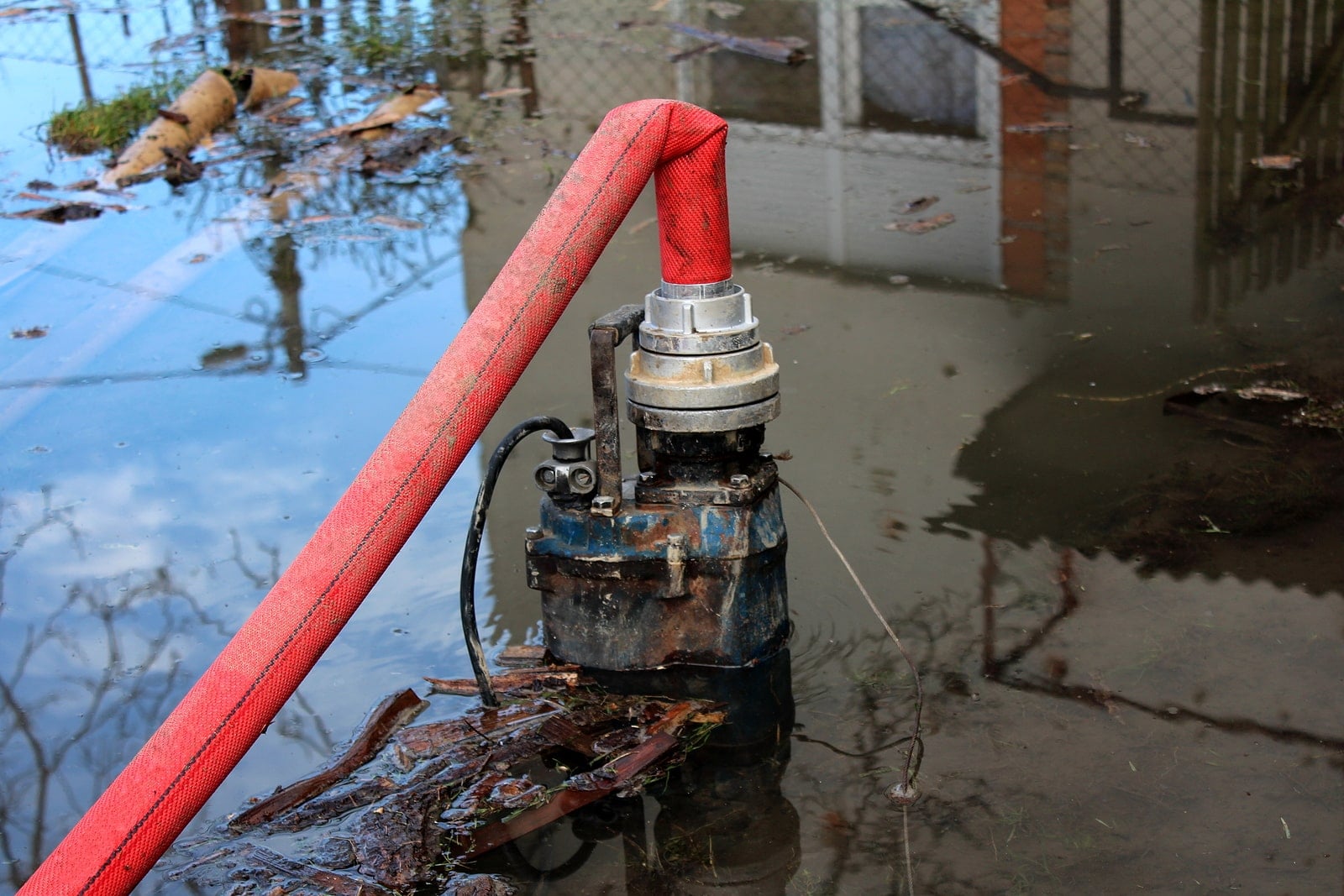
Disaster cleanup guidance from CDC emphasizes that drying a home and removing water-damaged items is the most important step to prevent mold damage after flooding. That principle applies just as much to smaller losses. The sooner wet materials are dried or removed, the less chance mold has to establish itself.
This is where professional water damage restoration Central Florida teams can make a real difference. Drying is not just setting up one fan in a room and hoping for the best. The issue is whether the affected materials actually return to a dry condition in time. If they do not, the mold problem may begin well before the homeowner realizes there is one.
After hurricanes, tropical weather, or severe summer storms, people often focus on visible mess first. That is understandable. But hidden dampness is what creates the recurring mold story weeks later. Storm damage restoration Florida work is often judged by what the house looks like when crews leave. A better measure is whether the structure and contents were dried thoroughly enough to keep mold from rebounding.
A practical way to investigate before the wall gets opened
You do not need to guess wildly. A calm, room-by-room inspection usually reveals a pattern.
Use this short sequence:
- Check where the mold returns and whether weather, shower use, or HVAC operation seems to trigger it.
- Look for nearby plumbing fixtures, roof lines, windows, exterior walls, or HVAC components that could supply moisture.
- Pay attention to indoor humidity and whether the home is staying below 60 percent.
- Note any musty odor, staining, peeling paint, warped trim, or damp contents in closets and cabinets.
- If the problem keeps returning, treat the moisture source as unresolved until proven otherwise.
That last point saves people a lot of money. Many homeowners repaint too soon. Fresh paint can hide staining for a while, but if the wall cavity is still getting wet, the mold or discoloration usually wins.
Bathrooms, closets, and air-starved corners
Not all recurring mold points to a dramatic hidden leak. Some of the most persistent cases involve spaces with weak ventilation and trapped humid air.
Bathrooms are the obvious example. A ceiling above the shower that spots up repeatedly may be dealing with high humidity rather than a pipe leak. That does not mean it should be ignored. It means you need to ask whether moisture is leaving the room effectively and whether the surrounding materials are getting time to dry out between uses.
Closets are another classic trouble spot. Closed doors, packed contents, and an exterior wall can create a pocket where moisture lingers. The mold often appears first on shoes, boxes, fabric, or the back wall behind stored items. People sometimes think the belongings somehow caused the mold. Usually the closet simply became a quiet place where humid air and poor circulation met a cooler surface.
These cases still come back to the same rule. Mold growth means moisture is present long enough to support it. The cause may be less dramatic than a burst pipe, but it is still a moisture problem.
When restoration gets more complicated than mold alone
Recurring mold is sometimes part of a bigger property-damage picture. A roof leak after a storm can become both a water issue and a mold issue. A kitchen fire can lead to fire damage restoration needs, and the same building may also need drying if suppression efforts introduced water. A severe event can create overlapping problems that require careful sequencing.
The restoration field reflects that overlap. IICRC also publishes S700 for fire and smoke damage restoration, which shows how smoke, soot, moisture, and building systems can all intersect. In real properties, damage categories do not always stay neatly separated.
There are also times when a mold investigation turns up concerns outside mold. Older homes and buildings may contain asbestos in materials such as floor tile, ceiling tile, pipe wrap, siding, or shingles. EPA guidance says renovation or damage to those materials can disturb asbestos, and if the material is damaged or renovation may disturb it, a properly trained and accredited asbestos professional should be used. Florida’s asbestos program is designed to minimize release of asbestos fibers during abatement, remediation, handling, and disposal.
That matters if recurring mold leads to demolition. Cutting into an older wall or removing damaged flooring should not be treated casually. In parts of Central Florida, including the broader region that covers places like Lake, Orange, Seminole, and Osceola counties under the state’s Central District asbestos program, asbestos https://weatherplan843.evergrovio.com/posts/commercial-mold-remediation-planning-for-lake-county-property-managers-what-to-communicate-to-tenants-and-staff abatement Groveland FL and nearby communities is not just a side note when older materials are involved. It becomes part of doing the job safely.
Then there are situations far beyond routine household cleanup, such as sewage-related contamination or traumatic incidents, where biohazard cleanup protocols may apply. The point is not to inflate the problem. It is to recognize when recurring mold is attached to a larger remediation issue that needs the right specialty.
Why quick wipe-downs so often fail
People naturally try the simple fix first. They wipe, spray, scrub, dry the surface, and hope that is enough. Sometimes for a small, isolated humidity spot, improving moisture control solves it. But when mold returns to the exact same place, the pattern is telling you that the moisture reservoir is still there.
The failure usually happens in one of three ways. First, the visible mold is removed, but the wet drywall, insulation, or wood behind it remains damp. Second, the room itself stays too humid, so the same surfaces keep collecting moisture. Third, the cleanup happens before the leak is identified, so new water keeps feeding the same area.
That is why many professional remediation conversations start with source control. You can sanitize later. You can repaint later. You can address odor elimination later. If the leak or humidity issue is still active, those later steps do not hold.
Knowing when it is time to bring in a professional
Not every mold problem requires a major response, but some situations clearly need experienced help. If the mold returns quickly after cleaning, if the moisture source is hidden, if the HVAC system may be involved, or if storm-related wetting affected multiple materials, getting professional eyes on it is often faster and cheaper than repeated trial and error.
This is also where credentials and standards matter. An IICRC-certified remediation approach signals that the work is being guided by recognized restoration standards rather than guesswork. That does not guarantee perfection, but it does indicate the contractor is working within an established framework for water damage restoration, mold remediation, HVAC assessment, or fire-related restoration as needed.
Timing matters too. Moisture damage does not wait for business hours. A 24/7 emergency restoration response can be especially important after sudden leaks or storm losses, because the first day often determines whether the problem remains a drying job or becomes a recurring mold problem a week later.
What success actually looks like
A lot of homeowners judge success by appearance. The stain is painted, the smell is reduced, the room looks clean. Those are nice milestones, but they are not the finish line.
Real success means the moisture source has been identified and corrected. It means the area is dried thoroughly enough that mold does not return. It means indoor humidity is under control, ideally below 60 percent. If the HVAC system was involved, it means the system was evaluated appropriately instead of treated as an afterthought. If damaged materials had to be removed in an older structure, it means possible asbestos-containing materials were handled with proper caution.
The quietest successful jobs are often the best ones. No recurring spots on the ceiling. No musty closet smell after rain. No vent odor when the air kicks on. No mysterious patch reappearing behind the dresser.
That is the real test. Not whether mold can be made to disappear for a weekend, but whether the building has stopped feeding it.
When mold keeps coming back, take that repeat appearance as useful information. The house is pointing to moisture. Follow the pattern, stay grounded in the basics, and fix the wet source before spending energy on cosmetics. In most cases, that is the difference between a temporary cleanup and a lasting repair.